Wind Energy Logistics, Heavy Haul & Crane Support for turbine and project components.
Colorado Summit helps wind project teams coordinate turbine-component transport, laydown, route planning, crane support, and deployment logistics from receiving through site delivery.
FOR DEVELOPERS, EPCS + SUPPLIERS
Coordinate each component before it reaches the site.
Wind projects depend on exact delivery windows, route constraints, component handling, and site readiness. We connect the load, transport, staging, and crane conversations early so project teams can see the path before mobilization.
PROJECT SUPPORT
Turbine component transport
Review blades, nacelles, tower sections, hubs, and related project cargo with the route, permit, escort, and delivery-window requirements in view.
Component data and transport configuration
Route and permit coordination
Delivery windows tied to site readiness
PROJECT SUPPORT
Laydown before installation
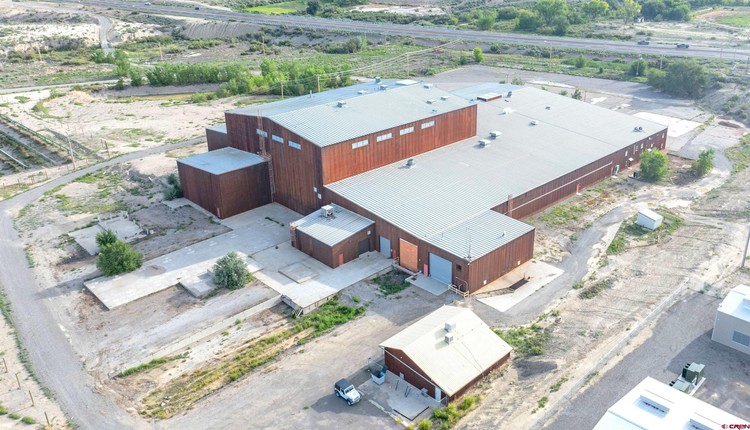
Coordinate indoor warehouse or outdoor laydown when components or project materials arrive before the construction or installation window, subject to asset and handling requirements.
20+ acres of outdoor laydown across six states
Receiving and condition documentation
Release planning tied to project sequence
PROJECT SUPPORT
Crane offload and placement support
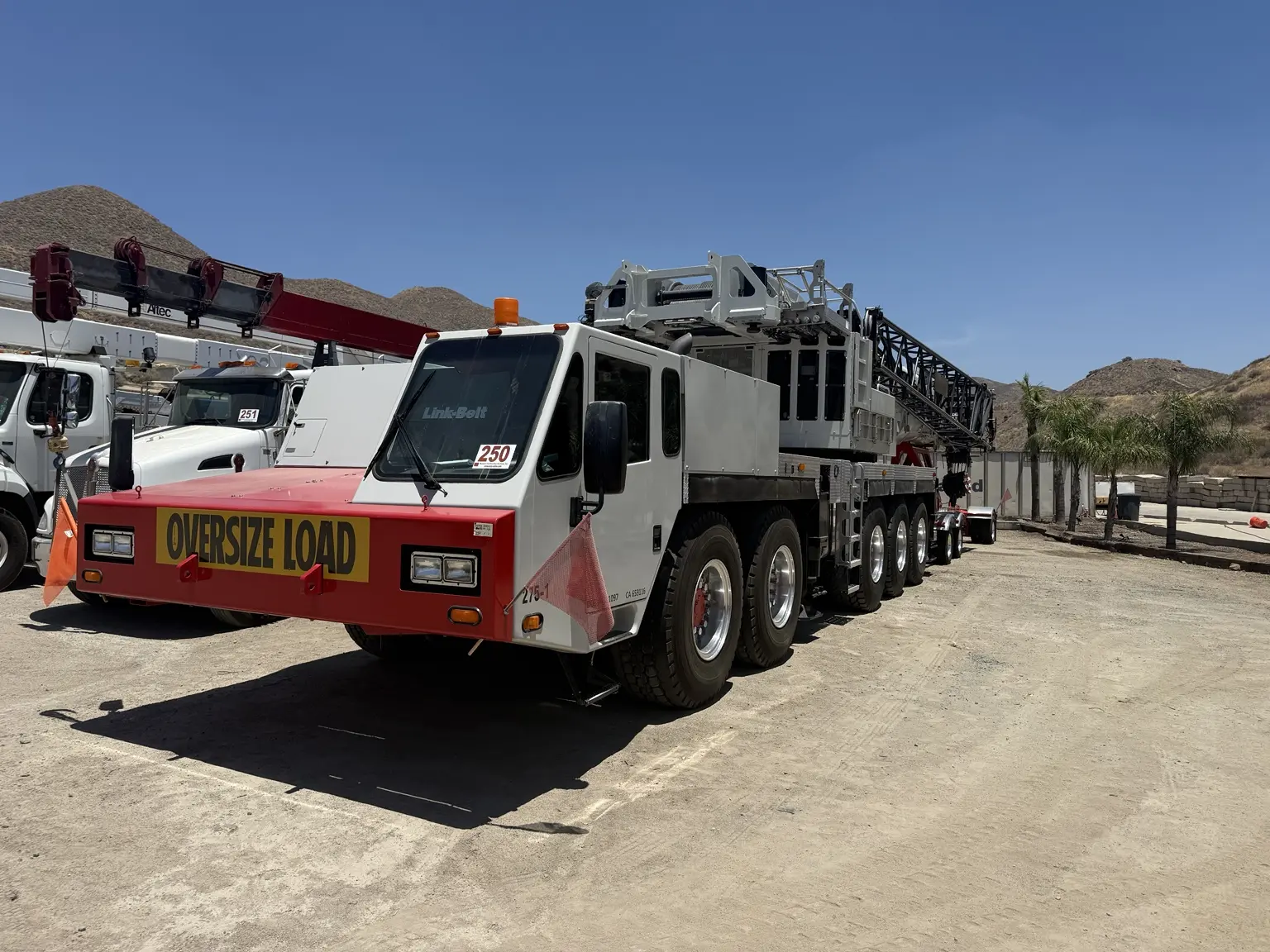
Plan crane access around the component, lift geometry, access, ground conditions, setup area, and installation schedule through an owned and qualified partner network.
28–350+ ton crane access
Owned and qualified partner network
Site-specific lift planning
PROJECT SUPPORT
Deployment sequence and site readiness
Keep receiving, release, heavy haul, access, and work windows tied together when the site is ready for the next component or project phase.
Phased delivery and release milestones
Access and staging review
One accountable project conversation
ESTIMATOR HANDOFF
Scope the work before you price it.
Wind projects depend on exact delivery windows, route constraints, component handling, and site readiness. We connect the load, transport, staging, and crane conversations early so project teams can see the path before mobilization. The more complete the first brief, the faster we can test the operating path and identify the right crane, transport, staging, and site requirements.
Wind component transport
Review component weights, dimensions, transport configuration, origin, destination, route constraints, permits, escorts, and the required delivery window.
Pre-installation laydown
Coordinate receiving, condition documentation, outdoor laydown, access, security requirements, and controlled release before the site is ready.
Crane offload and placement
Scope lift geometry, crane setup, ground conditions, access, offload sequence, and the installation window around the component.
Wind project staging and deployment
Connect component arrival, storage, heavy haul, crane support, and site readiness across a phased project schedule.
WHAT TO SEND
Use this checklist when you request a budget, bid, or execution review.
01
Component schedule
Component type, weight, dimensions, center of gravity, handling limits, delivery sequence, and condition-documentation needs.
Indoor or outdoor preference, component footprint, access frequency, expected term, security needs, and release milestones.
04
Site and lift plan
Site address, installation phase, crane setup area, lift geometry, ground conditions, access, and weather-sensitive timing.
RECEIVE + STAGE + DEPLOY
A practical holding point before the next move.
WIND PROJECT SUPPORT
Keep the route, staging, and lift plan connected.
We connect component data, route and permit coordination, laydown, heavy haul, crane offload, and site readiness so the next move is defined before the delivery window arrives.
Load and site review Route and access planning Receiving and staging support Safety-ready coordination
Can Colorado Summit help move wind turbine components?
We can review component transport, route and permit coordination, laydown, heavy haul, and crane support for a wind project. Final equipment, partner, and availability decisions depend on component data, route, site conditions, and schedule.
Can wind components be staged before installation?
Yes. We coordinate receiving and outdoor laydown, and indoor warehouse capacity when the asset and handling requirements fit, with condition documentation and planned release tied to the project sequence.
How is crane support scoped for wind work?
Crane support is reviewed around the component, lift geometry, access, ground conditions, setup area, and installation window. Colorado Summit has 28–350+ ton crane access through an owned and qualified partner network; exact equipment and availability are confirmed in scope.
Plan the next move.
Send the asset, site, route, timing, and any warehousing requirements. We’ll help define the right operating path.