01 / PLAN
Load data and lift geometry
Start with weight, dimensions, center of gravity, pick points, lift height, radius, packaging, handling limits, and the sequence in which equipment will arrive.

Colorado Summit helps estimators, EPCs, owners, and project managers connect the load, site, route, storage plan, and schedule before the first crane or truck arrives.
A rate or equipment list is not a project plan. We work through the details that determine whether the lift, transport, receiving, staging, and final placement can happen in the required sequence. The earlier we see the full picture, the more useful the answer.
Start with weight, dimensions, center of gravity, pick points, lift height, radius, packaging, handling limits, and the sequence in which equipment will arrive.
Work through access, clearances, setup area, ground conditions, work-zone constraints, overhead restrictions, and what the crew needs to execute safely.
Identify pickup and delivery points, permits, escorts, route restrictions, delivery windows, and the handoff from transport to site.
If the site is not ready, define indoor warehouse or outdoor laydown requirements, receiving controls, access, authorized release, and the next placement milestone.
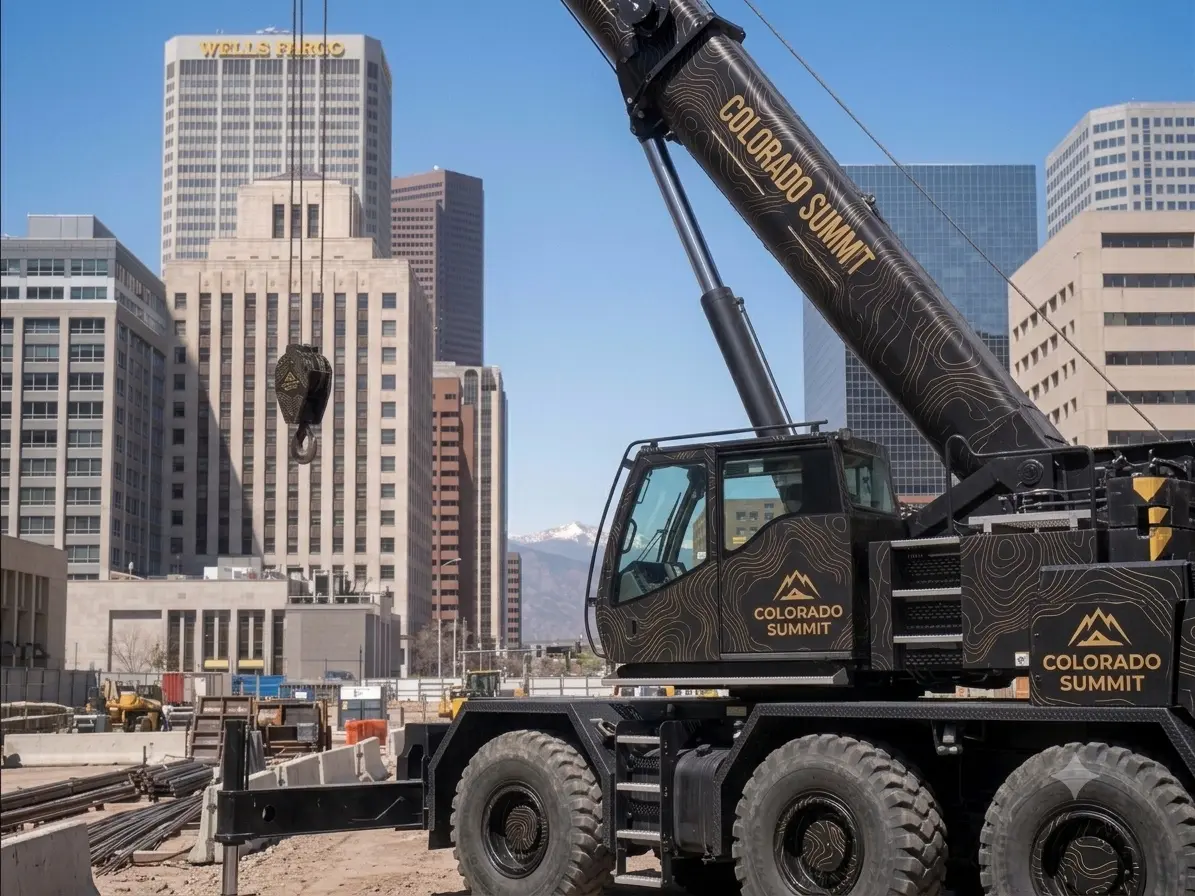
When multiple vendors touch a project, the gaps between them become schedule risk. Colorado Summit coordinates the operating conversation across crane access, heavy haul, industrial warehousing, BESS staging, and deployment so the next handoff is clear.
Use this as a first-pass checklist for a budget, bid, RFP response, or execution review. The project does not need to be fully designed before the conversation starts.
Weight, dimensions, center of gravity, pick points, lift height, radius, and handling limits.
Address, setup area, clearances, ground conditions, overhead restrictions, work-zone controls, and site contact.
Pickup, delivery, permits, escorts, delivery windows, required date, milestones, and schedule risk.
Indoor or outdoor preference, volume, term, receiving requirements, access frequency, and deployment sequence.
Bring us in before equipment is committed or the delivery window is fixed whenever the project involves complex lifting, heavy haul, site access, staging, or multiple vendors. Early information gives the team time to test the operating path and identify constraints.
Send the asset description, weight and dimensions, pickup and delivery locations, site access details, lift height and radius if known, target dates, route constraints, and any indoor or outdoor storage requirements. Load sheets, drawings, and site photos are also useful.
Yes. Colorado Summit can review crane access, lift planning, heavy haul, industrial warehousing, BESS staging, outdoor laydown, and deployment timing as one project conversation.
No. A project review helps define the operating path. Availability, pricing, scope, schedule, and any reservation become effective only when confirmed in writing under the applicable project agreement.
Send the asset, site, route, timing, and storage requirements. We’ll help define the right operating path.